

Table of Contents
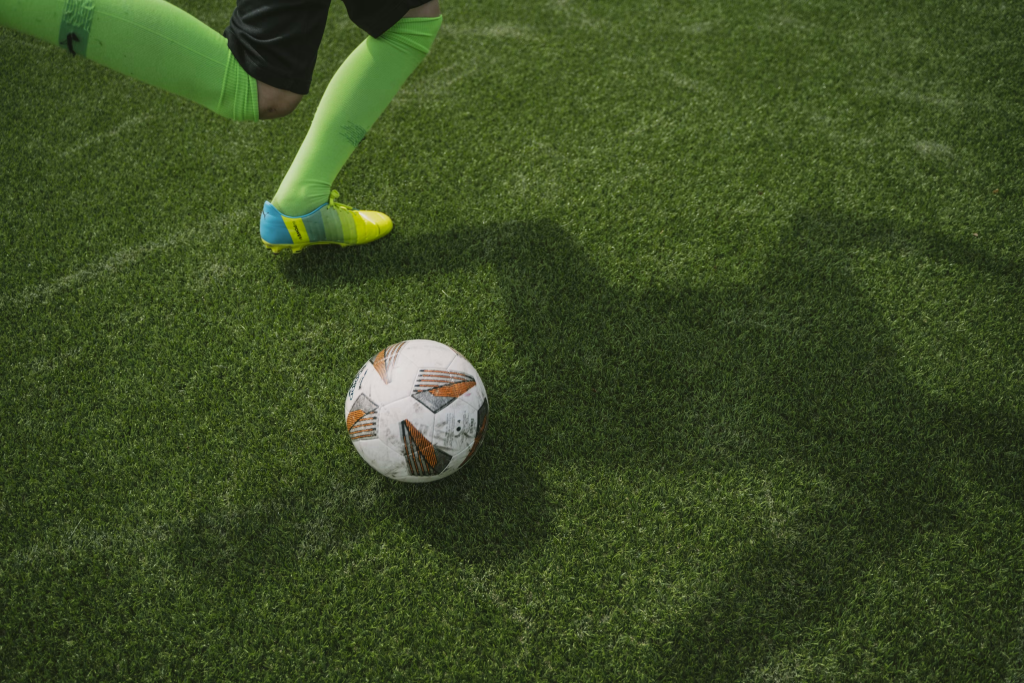
Football has always looked simple from far away. Twenty-two players, one ball, one goal at each end, and a lot of noise around every decision. Yet the closer the game is watched, the more complicated it becomes. Space matters. Timing matters. Pressing shape matters. One full-back moving at the wrong moment can distort the whole structure. This is one reason football video games became more valuable than many people expected. They do not only entertain. They also teach fans to notice how the sport really works.
That link is even easier to see now, when football conversations move between match broadcasts, tactical clips, online debates, and digital platforms such as x3bet. A fan who plays football games regularly often stops looking only at goals and star players. More attention starts going toward formations, player roles, movement without the ball, and the invisible structure behind a good attack. The game on the screen becomes a kind of informal tactical classroom, even if nobody calls it that out loud.
Games Turn Abstract Tactics Into Visible Decisions
One of the hardest things about real football is that many tactical ideas are easy to hear about and harder to truly understand. Terms like high press, low block, overlapping run, or inverted winger sound clear enough in theory. In an actual match, though, everything moves fast. The eye follows the ball, the crowd reacts to the obvious moment, and a lot of the deeper structure gets lost.
Football video games slow that process down just enough. A player choosing a formation or adjusting instructions starts seeing how one tactical choice affects the whole team. Push the full-backs too high, and the defensive line may look exposed. Keep the midfield too flat, and progression through the center becomes harder. Suddenly, tactics stop feeling like fancy words from commentary and start feeling like connected decisions with visible consequences.
That is where the learning really begins. Not in memorizing terms, but in seeing why those terms matter.
Control Creates A Better Sense Of Shape
Watching football and controlling a football team are not the same thing, obviously. Still, control changes understanding. When a fan has to manage build-up play, close passing lanes, or decide whether to press high or sit deeper, the logic of real football becomes easier to appreciate.
This is especially true with formations. A 4-3-3 does not only look different from a 3-5-2 on a graphic before kickoff. In a game, those systems feel different. The passing angles change. The width changes. The defensive coverage changes. A fan begins to understand that formations are not decorative labels. They shape the rhythm of the team.
Tactical Lessons Football Games Teach Best
Some ideas become much clearer through play than through passive watching alone:
- Spacing matters because crowded areas kill passing options quickly
- Pressing has risks when one missed challenge opens large spaces
- Width creates opportunities by pulling defenders away from central zones
- Player roles affect balance far more than casual viewers often expect
- Transitions are dangerous because losing the ball at the wrong time hurts fast
These lessons may sound basic to coaches, but for ordinary fans, they can change the whole way a match is seen.
Games Make Tactical Trade-Offs Easier To Understand
Real football is full of trade-offs. Attack with more numbers and defensive protection becomes weaker. Press aggressively and stamina drops faster. Sit deeper and possession becomes harder to recover. Football games help fans understand these trade-offs because every tactical decision has a practical effect.
This creates a more realistic view of coaching too. It becomes easier to understand why a manager does not simply tell the team to attack all the time, press all the time, and somehow stay perfectly secure at the back. Tactics are not about choosing the “best” style in some universal sense. They are about choosing the right balance for the players available and the match being played.
That lesson matters because it makes football discussion smarter. Complaints become a little more thoughtful once the complexity becomes visible.
Where Football Games Improve Tactical Awareness Most
The strongest effect usually appears in a few clear areas:
- Formation understanding because systems feel different in play
- Role awareness since each position carries different tactical demands
- Defensive reading through pressure, shape, and recovery decisions
- Attacking patience because forcing the ball rarely works for long
- Coaching appreciation since team balance is harder than it looks
This is why football games can quietly improve the way real football is watched.
They Do Not Teach Everything, But They Teach Plenty
Of course, football video games are not perfect tactical simulators. Real football includes emotional pressure, physical fatigue, chemistry between players, and details of positioning that no game fully captures. Some mechanics are simplified. Some team behaviors are exaggerated. A game can still teach bad habits if taken too literally.
But none of that removes the core benefit. Football games make tactical thinking more interactive. They teach fans to connect shape, movement, and decision-making in a more practical way. Instead of hearing a phrase like “midfield overload” and nodding politely, a player can actually feel what happens when the midfield is outnumbered.
Playing Can Make Watching Smarter
Football video games help fans understand real tactics better because they turn invisible structure into visible experience. They make formations feel different, show why space matters, and reveal how one small decision can change the balance of the whole team.
That does not mean every gamer becomes a tactical expert. It does mean the average fan can begin watching the sport with sharper eyes. And once that shift happens, football becomes even richer. The game is still emotional, dramatic, and chaotic. But underneath all that noise, the hidden logic becomes easier to see.
