

Table of Contents
Hair breakage is often the first warning sign of future hair loss. While shedding a few strands daily is normal, excessive breakage can weaken hair over time and reduce overall density. The good news is that with the right care routine and lifestyle choices, you can protect your strands and prevent long-term damage. Understanding what causes breakage and how to stop it early makes a major difference in maintaining healthy hair.
The Difference Between Breakage and Hair Loss
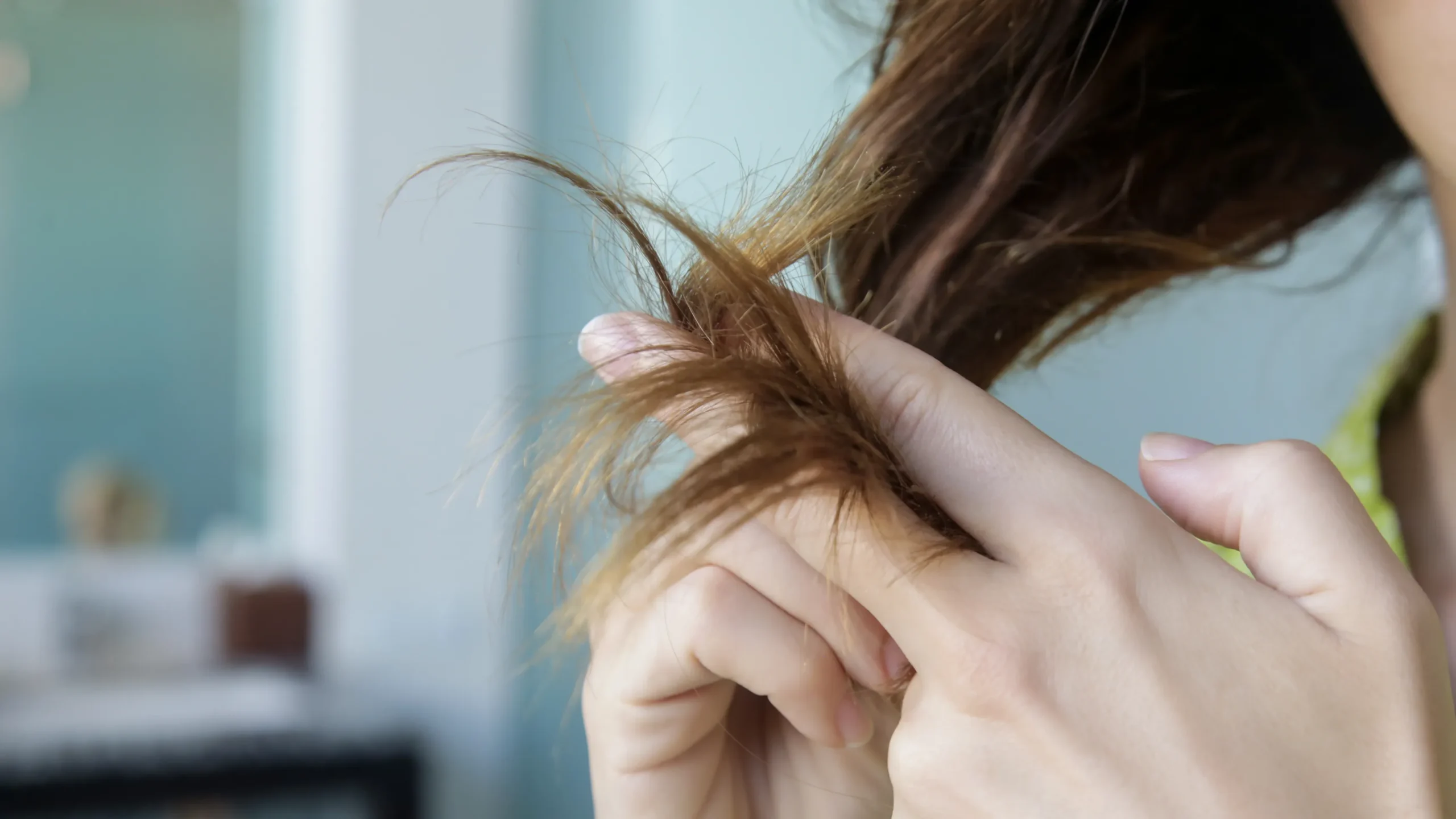
Hair breakage occurs when strands snap due to weakness, dryness, or physical stress. This differs from hair loss, which usually starts at the root. Breakage often appears as short, uneven strands and frayed ends, while hair loss results in thinning areas on the scalp. Recognising breakage early allows you to strengthen hair before the problem becomes more severe.
Common Causes of Hair Breakage
Several factors contribute to weak, fragile hair. Excessive heat styling, chemical treatments, and tight hairstyles put constant strain on strands. Overwashing, harsh shampoos, and a lack of moisture also strip hair of its natural oils. The hair shaft becomes even weaker when it is exposed to things like smog and the sun. This makes it more likely to break over time.
Build a Gentle Hair Care Routine
For damage prevention, you need to switch to a gentle practice. Don’t wash your hair too often, and use shampoos that don’t contain sulphates. Always condition after washing to restore moisture and softness. Detangle carefully with a wide-tooth comb, starting from the ends and working upward to avoid pulling.
Avoid rough towel drying, as wet hair is more fragile. Instead, gently pat hair dry with a microfiber towel or cotton T-shirt to reduce friction.
Nourish Hair With Proper Moisture and Nutrition
It’s easier for hair to break when it’s dry, so keep it moist. Once a week, use a deep conditioning mask to bring back the wetness and elasticity in your skin. Light oils like argan or coconut oil help keep hair moist and protect it from damage from the outside.
A healthy food is also very important. Protein, iron, biotin, and omega-3 fatty acids all help hair grow strongly. Getting enough water helps your body keep its moisture from the inside out.
Reduce Heat and Styling Damage
Heat tools weaken hair proteins, making strands prone to breakage. Limit the use of straighteners, curling irons, and blow dryers. When styling is necessary, always apply a heat protectant spray.
Avoid tight ponytails, braids, and buns that create tension on the scalp. Opt for loose styles and fabric hair ties to minimise stress on strands.
Improve Scalp Health for Stronger Hair
Healthy hair starts with a healthy scalp. Regular scalp care improves blood circulation and supports stronger roots. Using a hair massage brush during shampooing helps exfoliate dead skin cells while stimulating follicles. This encourages nutrient flow and promotes healthier growth.
Massaging your scalp a few times a week also helps relieve tension and distribute natural oils evenly across your hair.
Protect Hair While Sleeping
What you do at night can either help or hurt your hair. Cotton pillowcases rub against each other, which causes them to break. If you don’t want to be pulled while you sleep, switch to silk or satin pillows. For extra care, you can also wrap your hair in a silk scarf or put on a hat.
When to Seek Professional Advice
If breakage continues despite proper care, consult a dermatologist or trichologist. Underlying conditions such as hormonal imbalance, nutritional deficiencies, or scalp disorders may be contributing to the issue. Early professional guidance can prevent breakage from progressing into permanent hair loss.
Final Thoughts
Preventing hair breakage is all about gentle handling, moisture, and consistent care. By making small changes to your daily routine, nourishing your body, and protecting your strands from unnecessary stress, you can maintain strong and healthy hair. Addressing breakage early ensures your hair remains full, resilient, and vibrant for years to come.