

Table of Contents
Genealogical research is a fascinating journey that connects individuals to their ancestral roots. For families with German heritage, one of the most intriguing elements of this exploration is the German family crest. These heraldic symbols, historically associated with noble families and individuals, have become valuable clues for those trying to understand their lineage. Even today, German family crests remain significant tools in genealogical research because they provide historical insights, cultural context, and potential connections to ancestral records.
Historical Context of German Family Crests
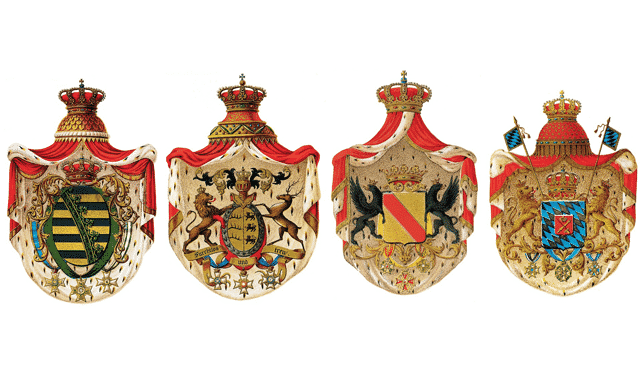
German family crests originated from the broader European tradition of heraldry, which developed during the Middle Ages. Heraldic designs were used to identify individuals in battle, tournaments, and official documents. Over time, these symbols became associated with specific families and were passed down through generations.
Each crest often contained unique elements such as animals, shields, colors, and symbols that represented the achievements, professions, or regional affiliations of the family. Because heraldry followed strict traditions and regulations, the designs were carefully documented and preserved. For genealogists, these records can provide valuable historical references when tracing family lines back several centuries.
Visual Clues to Family Identity
One reason German family crests remain important in genealogical research is that they serve as visual markers of family identity. The symbols embedded within a crest often reflect the characteristics or history of a family. For example, lions may symbolize courage or nobility, while eagles frequently represent strength and authority.
Researchers studying these designs can uncover connections between different branches of a family or determine whether a particular surname is associated with a documented heraldic lineage. These visual clues help historians and genealogists better understand the background of a family name and the possible geographic regions where the family originated.
Linking Heraldry With Historical Records
German family crests often appear in historical documents such as church registers, official seals, and noble family archives. When researchers locate a crest associated with a family name, they can use it as a reference point to explore further records.
This connection between heraldry and written documentation makes crests a helpful starting point for deeper genealogical investigation. For example, a crest discovered on a historical document may lead researchers to related property records, legal documents, or regional archives that provide additional details about ancestors.
Supporting Professional Genealogical Research
Genealogical research can sometimes become complex, particularly when tracing family lines through multiple generations or across different regions. In such cases, professional researchers often play an essential role in verifying historical connections.
Specialists known as german genealogists for hire frequently analyze family crests along with historical records to determine whether a claimed lineage is accurate. Their expertise in heraldry, local archives, and historical documentation helps ensure that the information used in genealogical research is reliable and authentic. By combining heraldic evidence with archival research, these experts can uncover connections that might otherwise remain hidden.
Cultural Significance in Modern Genealogy
Beyond their practical use in research, German family crests also carry strong cultural meaning. For many families, discovering an ancestral crest provides a sense of identity and pride. It allows individuals to connect with the traditions and history of their ancestors while learning more about the roles their families may have played in historical communities.
In modern genealogical studies, these crests often serve as symbols that bring family history to life. They offer a visual representation of heritage that complements written records and oral histories passed down through generations.
Preserving Family Heritage for the Future
As interest in ancestry continues to grow, German family crests remain valuable tools for preserving family heritage. Advances in digital archives and genealogical databases have made it easier than ever to access heraldic records and historical documents.
By studying these crests alongside genealogical data, researchers can reconstruct family histories with greater accuracy. This process not only deepens understanding of individual ancestry but also helps preserve cultural traditions for future generations.
Conclusion
German family crests continue to hold an important place in genealogical research because they combine historical symbolism with documented heritage. Their detailed designs, connections to historical records, and cultural significance make them powerful resources for tracing family ancestry. Whether studied independently or with the assistance of professional researchers, these heraldic symbols offer valuable insights into the past and help families better understand the legacy of their ancestors.