

Table of Contents
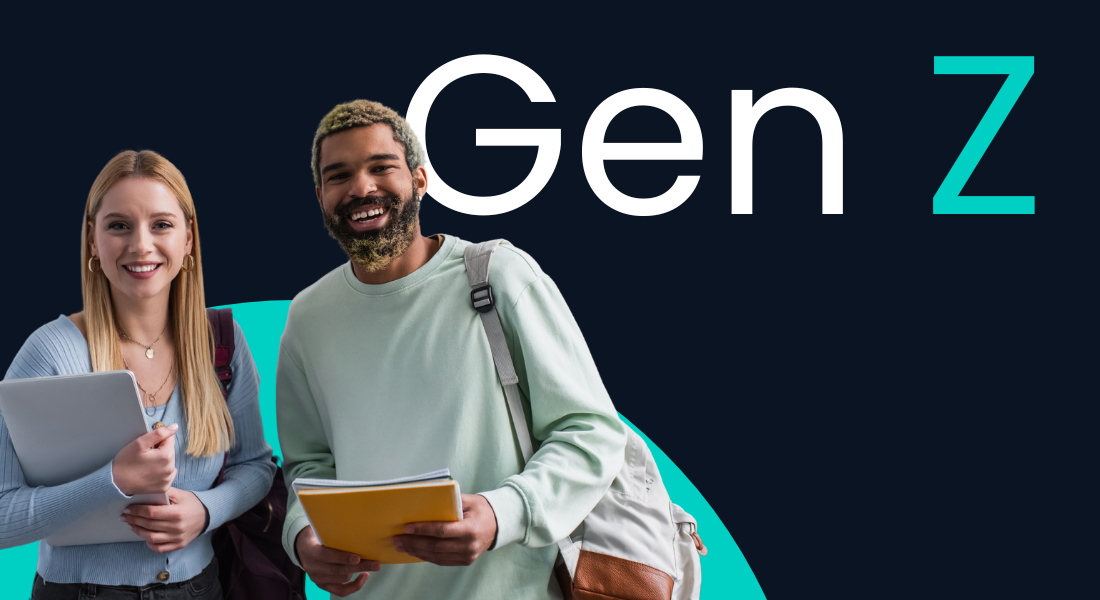
The workforce is changing rapidly as Generation Z begins to enter professional environments in large numbers. Generation Z was born between the late 1990s and early 2010s. They grew up in a digital world shaped by smartphones, social media, and always being online. Because of this, their expectations of employers, recruitment processes, and workplace culture differ significantly from those of previous generations. Companies that want to attract talented young professionals must rethink traditional hiring practices and adopt strategies that resonate with this new generation of candidates.
The Mindset of Generation Z
Before adapting recruitment methods, employers must understand what drives Generation Z. This generation values authenticity, transparency, and purpose in the workplace. Many young professionals want to work for organizations that align with their values and demonstrate social responsibility. They are also more interested in flexible work arrangements and opportunities for personal growth.
Unlike previous generations who might prioritize long term job security, Generation Z often focuses on meaningful work, skill development, and career mobility. Employers who communicate how their organization supports these priorities are more likely to capture the attention of young applicants.
Modernizing the Recruitment Process
Traditional hiring methods such as lengthy application forms and slow response times can discourage Generation Z candidates. This group is accustomed to fast digital experiences and expects the same level of efficiency from potential employers.
Organizations can modernize recruitment by simplifying online applications, offering mobile friendly platforms, and providing clear communication throughout the hiring process. Quick responses and transparent timelines help create a positive candidate experience.
Interactive hiring approaches can also make recruitment more engaging. For example, companies may host informational sessions or a career development workshop that introduces candidates to the organization’s culture and future opportunities. Such initiatives not only provide insight into the company but also allow young professionals to feel connected before even joining the team.
Leveraging Digital Platforms
Generation Z spends a large portion of their time online, which means companies must meet them where they are. Social media platforms, professional networks, and digital communities have become powerful tools for recruitment.
Employers can share authentic content about workplace culture, employee experiences, and company values to attract young job seekers. Video content, employee testimonials, and behind-the-scenes insights often resonate strongly with this audience.
In addition, digital career events and online workshop sessions can help organizations showcase their expertise and engage with potential candidates from different locations. These opportunities allow companies to demonstrate thought leadership while providing practical value to participants.
Highlighting Learning and Growth Opportunities
Generation Z places significant importance on continuous learning. Many candidates seek employers who offer training programs, mentorship opportunities, and skill development initiatives.
Organizations that highlight these opportunities during recruitment can stand out in a competitive hiring landscape. Offering professional development programs or hosting a career-focused workshop can signal that the company is invested in the long-term success of its employees.
Clear pathways for growth also play a crucial role. When candidates understand how they can advance within an organization, they are more likely to see the role as a meaningful step in their career journey.
Creating an Authentic Employer Brand
Employer branding has become a central element of modern recruitment strategies. Generation Z tends to research companies thoroughly before applying for positions. They often look for an authentic representation of workplace culture rather than polished marketing messages.
Companies should present honest insights into their work environment, leadership style, and team collaboration. Transparency about expectations, responsibilities, and organizational values helps build trust with potential candidates.
One effective approach is to involve current employees in recruitment content. Sharing real experiences and perspectives creates a relatable narrative that appeals to younger job seekers.
Conclusion
As Generation Z continues to shape the future of work, businesses need to change how they hire people to stay competitive. By modernizing recruitment processes, leveraging digital platforms, emphasizing professional development, and building authentic employer brands, companies can successfully connect with this emerging generation of talent.
Hosting initiatives such as informational sessions or an interactive workshop can further strengthen engagement and help organizations present themselves as forward thinking employers. Ultimately, businesses that embrace these changes will be better positioned to attract and retain Generation Z candidates in the evolving world of work.