

Table of Contents
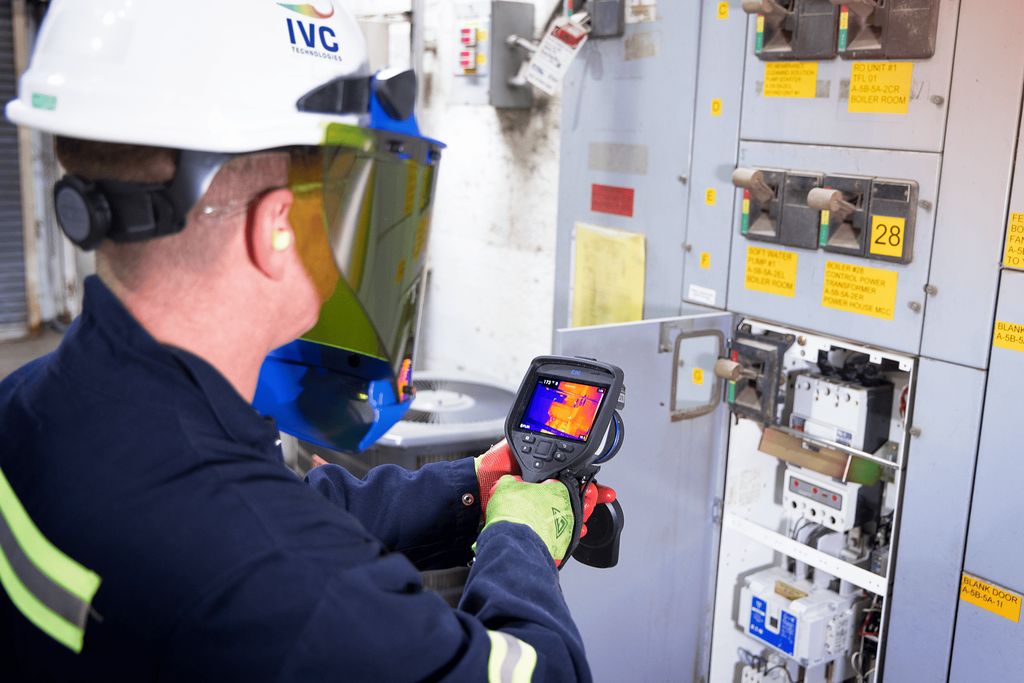
In the past, workplace safety assessments have always used inspections, manual measurements, and maintenance activities. These are still very helpful approaches to use, but there is now an even better method using infrared thermography. With the help of infrared thermography, one can spot temperature differences that could signal any kind of problem, from faulty electricity, mechanical issues, insulation breakdown, or overheating. In this discussion, you will find out how infrared thermography revolutionizes workplace safety assessment in five different ways.
Detecting Electrical Hazards Earlier
Electrical systems may suffer from hazardous failures without any visual indications of such problems. Overloaded circuits, damaged parts, unbalanced loads, and loose connections usually create abnormal heat prior to failure occurring. Thermal imaging devices capture this heat and convert it into thermal pictures that help inspectors see abnormal hot spots.
This technology works especially well in places where there are electrical panels, switchgear, transformers, motors, and distribution systems. It is often possible to conduct inspections without stopping the functioning of the system. Once an abnormal thermal pattern is found, it is possible to investigate what causes it and fix the problem before equipment fails, starts to burn, or causes unplanned power loss.
Improving Equipment Reliability
Unexpected breakdowns due to the failure of equipment can pose operational hazards as well as safety concerns. The use of infrared thermography assists in preventative maintenance by identifying patterns in heat that are indicative of friction, lack of lubrication, high resistance to electrical flow, and more. Over time, maintenance personnel will have valuable insight into the condition of equipment and whether there is a need for further inspection.
Organizations seeking to strengthen this approach can invest in dependable infrared thermography inspection solutions that provide accurate thermal readings and useful imaging capabilities. The existence of good equipment for inspection makes it easy to set up regular patterns of inspection as well as keeping track of changes in temperature in key equipment.
Identifying Problems in Building Envelopes
Workplace safety is not only related to machines or electrical systems; buildings themselves can harbor certain problems that impact comfort levels, energy performance, and environmental conditions of employees. Thermography can detect temperature variations linked to such defects as damaged insulation, air leaks, moisture infiltration, and thermal bridges.
When examining a building for such problems, it is possible to use thermal cameras to inspect various parts of the structure without resorting to invasive testing. Places that seem okay after visual inspection may show abnormal thermal patterns that need further investigation. Early detection of such problems will assist facility managers in assessing moisture damage and poor insulation before the situation gets worse.
Making Safety Inspections Faster and Less Disruptive
Conventional inspections involve opening up, disassembling, turning off, or otherwise gaining physical access to equipment. Infrared thermography can help in reducing the necessity for such procedures due to the fact that thermal cameras can collect information about the temperature from a distance. It is possible to conduct an inspection of the functioning equipment safely and obtain evidence in the form of images that can be studied later on.
Such a non-intrusive feature can be especially helpful in industrial conditions when there are other factors complicating the process, such as movement of machinery, high voltage, excessive heat, or limited access. Quicker inspections allow inspecting more equipment within maintenance periods without disrupting its functioning.
Strengthening Preventive Safety Programs
One of the biggest benefits of using infrared thermography is that this technology allows for continuous safety monitoring, instead of conducting one-off inspections. The thermal images obtained at regular inspections can then be compared to the previous ones. Any change in temperature will help detect deterioration that otherwise wouldn’t be seen until the equipment performance becomes poor or there is an actual breakdown.
Safety managers can use this data together with other information such as maintenance reports, visual inspections, electrical testing, and manufacturers’ instructions. This way, they can have a better overview of the state of their assets and focus on necessary measures.
Thermal imaging is making workplace safety audits increasingly effective in detecting potential temperature-related issues that previously went unnoticed without touching the object being analyzed. Thermal imaging can offer important data from electrical systems, industrial equipment, infrastructure, and even safety audit programs. With proper inspection and safety protocols, this technology could assist in identifying potential dangers, improving equipment reliability, reducing interruptions
