

Table of Contents
Most pool owners in Dallas-Fort Worth think of their pool as a sealed box of water sitting in the yard. The reality underneath is messier. The ground here is heavy with expansive clay, and that clay never sits still. It swells when it takes on water and shrinks when it dries out, and your pool is caught in the middle of that slow tug of war year after year.
That movement is the hidden reason so many DFW pools develop problems that have nothing to do with age or how well you keep the water balanced. Understanding how it works is the difference between catching a small issue and paying for a major repair.
What the clay actually does
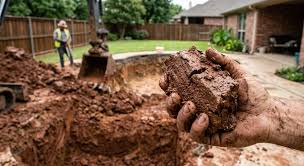
Expansive clay soil acts almost like a sponge. After a wet stretch it swells and pushes up and inward. During a dry Texas summer it pulls back and contracts, leaving gaps and shifting support away from whatever sits on top of it. A pool shell, the deck around it, and the underground plumbing lines all rely on that ground staying put. It does not.
When the soil moves, it puts stress on rigid parts of the pool that were never meant to flex. Underground pipes get pulled and can crack at the joints. The shell can develop hairline cracks. Skimmers and fittings, where the rigid plastic meets the concrete, are common failure points because that is where two materials with different give meet.
The cycle that turns small into serious
Here is the part most owners miss. A small leak and soil movement feed each other. A cracked return line leaks water into the ground. That water saturates the clay right next to the pool, which swells, then dries and shrinks again. The repeated swelling and shrinking puts more stress on the shell and plumbing, which opens the leak wider, which sends more water into the soil. Left alone, this loop runs for months.
The visible results show up in a predictable order. First, a section of the deck starts to sink or tilt. Then the coping or tile develops cracks. In serious cases, the movement reaches the home, and stabilizing it calls for steel piers that run into the thousands of dollars each. The pool problem quietly became a structural problem.
How to catch it early
You do not need special tools to spot the early signs. Walk your deck and look for sections that have dropped, lifted, or cracked since last year. Check the waterline tile for new cracks. Look at the soil around the equipment pad and along the pool for areas that stay damp when the rest of the yard is dry, since a wet spot in a dry summer is a strong clue.
The most reliable home check for water loss is simple. Put a piece of tape at the waterline and watch it for 48 hours. On a mild day, the level should barely move. If the water clearly drops below the tape over two days, you are likely losing water to a leak rather than to the Texas heat.
If any of that turns up, the smart move is a professional diagnosis before the soil cycle does more damage. A specialist will pressure test the plumbing, listen acoustically for escaping water, and use dye to confirm cracks, then check the equipment pad too. Catching it at the small-leak stage is the cheapest repair you will ever make on the pool. Mr. Pool Leak Repair has found and fixed more than 20,000 leaks across DFW and works with licensed Texas engineers on the serious structural cases, which is exactly the kind of help worth having before a sinking deck becomes a foundation bill.
The takeaway for DFW owners
You cannot stop the clay from moving, but you can keep small problems from compounding. Watch the deck, watch the tile, run the tape test a couple of times a season, and act fast on any sign of water loss. In this soil, a leak is never just a leak. It is the start of a cycle, and the owners who win are the ones who break it early.
Frequently Asked Questions
Does keeping my pool full prevent soil movement around it? It helps keep conditions more stable, but it does not stop expansive clay from swelling and shrinking with rainfall and drought. The movement happens regardless, which is why monitoring for early signs matters.
Can soil movement crack a pool that is only a few years old? Yes. Age helps, but a newer pool in expansive clay can still develop plumbing or fitting leaks if the ground shifts enough. The soil does not care how new the pool is.
Is a sinking deck always caused by a leak? Not always, but a leak is one of the most common causes in DFW because escaping water destabilizes the clay underneath. A leak check is a sensible first step when a deck starts to drop.
Seeing cracks, a sinking deck, or unexplained water loss? Catch the cause before the soil cycle turns it into a structural repair. Get a professional leak diagnosis with Mr. Pool Leak Repair.